




Here’s the list of supplies and tools we use on our farm in Wisconsin to help manage goats during the winter. These focus on practical solutions to cold weather challenges.
Head to my other blog post if you want more details on strategies for keeping goats comfortable through the winter: Transitioning Meat Goats for Winter.
Table of contents
Water options
Drop-in tank heater options
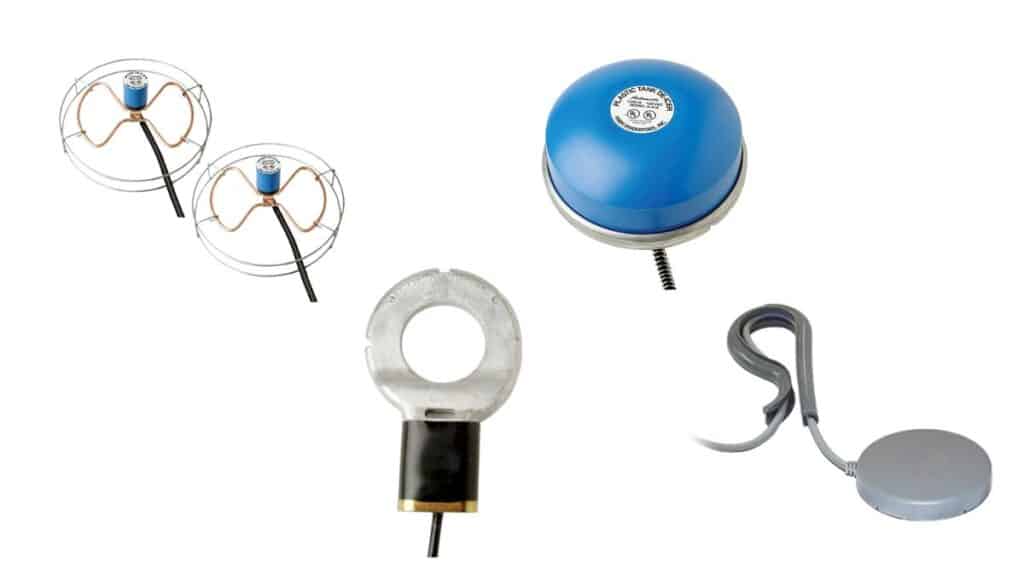
I like these since you can use them with existing water tanks. We’ve tried all four styles listed below, mainly with 60-gallon tanks or 16-gallon muck buckets.
- Submersible water tank heater – A solid option for larger stock tanks, like the 65-gallon Rubbermaid troughs. I’ve found these do a better job at keeping water thawed, whether inside or outside. In really cold stretches there may still be some freezing, but that’s almost inevitable with this style.
- Mid-size drop-in heater – Works decently with mid-size tanks, like 16-gallon muck buckets, or a Rubbermaid 65-gallon tank kept inside the barn and out of the wind.
- Drop-in heater with covered element – I like the design with a cover over the heating element. It keeps things more contained, especially if you have animals who like to play with cords.
- Pet bucket heater – One of my favorites for 3-gallon buckets, or even muck buckets in mild winter weather. It draws less electricity, which is helpful.
Product images are shown in order of those listed above:
Heated water options
These are all-in-one setups, which means you don’t have to worry about heaters getting pulled out or cords being chewed (though, to be honest, that’s never been an issue for us).
- 3-gallon heated bucket – Handy for chores and smaller groups of animals.
- 16-gallon heated muck tub – Larger capacity and convenient.
- Heated dog dishes – We use these for our farm dogs (if they’re penned separately in winter) or barn cats.
- Ritchie frost-free drinkers – The most “hassle-free” winter water option. They take more effort to install, but you can either DIY or hire a local installer, as we did.
Product images are shown in order of those listed above:

Hose and hydrant options
Aside from keeping water from freezing, actually getting water to tanks is its own challenge. We use these less now since we’ve added frost-free waterers (Ritchies), but they’re still good tools when those aren’t accessible.
- Heated hose – These work really well, but you need to plug them in before chores so they thaw and are ready. I recommend disconnecting after use, letting the end drain, and propping it upright to prevent ice in the brass fitting. Ice in the connection makes it tough to hook back up.
- Expandable hoses – The “as seen on TV” type. Surprisingly, they work well. Lightweight, easy to move, and you can store several in a 5-gallon bucket. Just bring them inside when not in use.
- Heat tape kit – Wraps around a frost-free hydrant above ground to give extra insurance against freezing in extreme cold.
- Pipe foam insulation – Pair it with heat tape to keep warmth radiating around the hydrant pipe.
Product images are shown in order of those listed above:

Electric management
Running tank heaters and other tools safely requires the right cords and connectors.
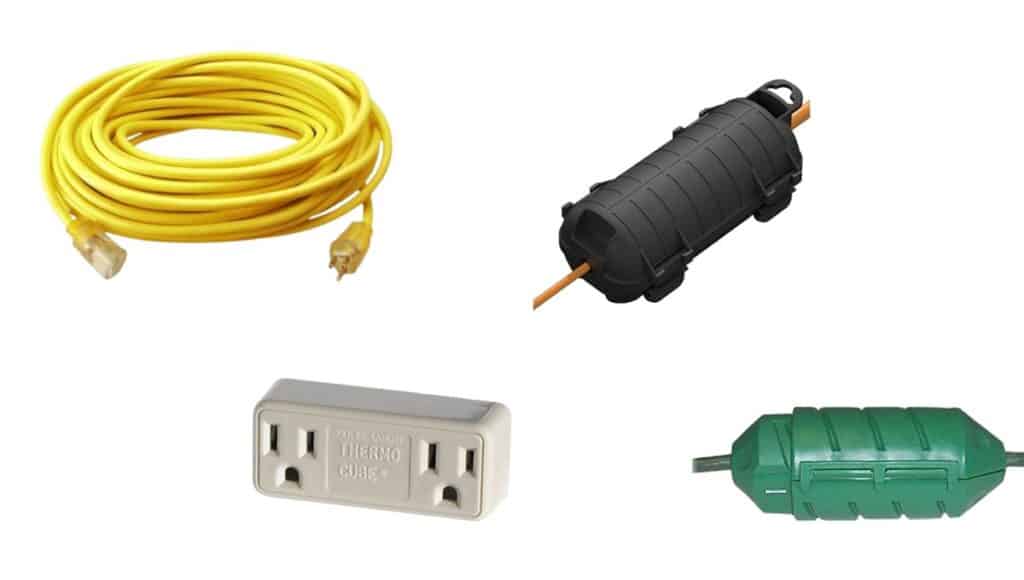
- Heavy-duty extension cords – Durable, outdoor-rated, and able to handle the wattage of heaters, heated buckets, and heat tape.
- Thermal cubes – One of my favorite tools. These plug into your outlet and automatically shut power off when temps are above freezing, then turn back on when temps drop below freezing. It saves electricity while keeping tanks thawed.
- Cord connectors – Useful if you need multiple extension cords. They keep cords locked together and help minimize moisture at connection points.
Product images are shown in order of those listed above:
Heater options for animals
Goats and sheep are hardy, but sometimes heat sources are necessary, especially for kids and lambs.
- Prima Heat Lamp – A much safer design than traditional metal, open-bulb lamps. We’ll use these in early spring when temperatures are still cold during kidding or lambing.
- Sweeter Heater – An alternative to heat lamps that uses infrared heat, with no bulb. We’ve built little warming huts for kids to rest under these.
Product images are shown in order of those listed above:

Feeding options
Feeding hay in winter is more than nutrition—it helps goats stay warm because the rumen produces heat while digesting. These tools make handling hay easier:
- Hay knife – Great for cutting twine or baler wrap on round bales, especially in winter when the outside is crusted with snow. We keep several around the farm. The bright yellow color helps keep them from getting lost.
- Box cutters in bright colors – Simple, inexpensive, and easy to spot. I use them most often with small square bales.
Product images are shown in order of those listed above:




LEAVE A COMMENT
Comments